Temple City highlight
Strong residential character
Temple City was incorporated on August 24, 1960, and was founded on the principle that working families should be able to afford their own homes.
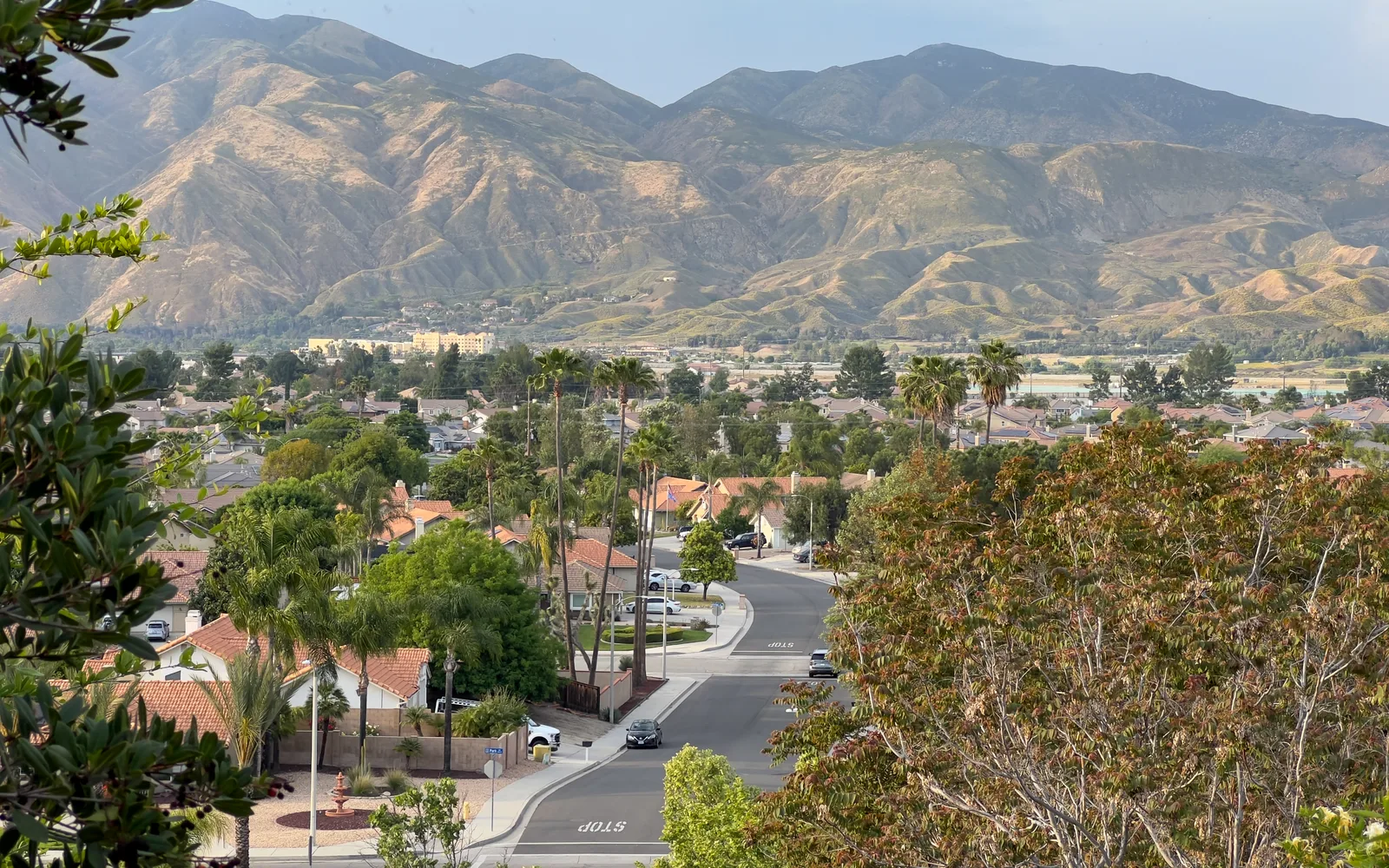
Temple City was established by Walter P. Temple's vision for a community where average working families could build equity and raise their children in their own houses. When the city was formally incorporated in 1960, the landscape was still shaped by earlier-era transportation lines, particularly the Pacific Electric Railway, which had connected the valley to Los Angeles and influenced development patterns across the region. Those transit corridors drew residents outward, and the affordable single-family home became the dominant pattern in Temple City.
Today, Temple City's population of about 36,000 reflects the diversity that has swept across the entire valley. The city's neighborhoods are home to families of many backgrounds and income levels, from those buying their first homes to established owners and retirees. Most properties remain single-family residences, many with yards where children play and families gather. It is precisely the kind of community where the vision of affordable homeownership remains central to people's identities and financial plans.
For families rooted in their own homes, the financial protection of term life insurance becomes a cornerstone: a policy sized to cover the mortgage, replace lost income, and carry the family through to the point where that home is paid off or those dependent years have passed. Temple City's neighborhood character — people who chose to buy here, who are building equity and stability — makes this kind of planning natural and essential.